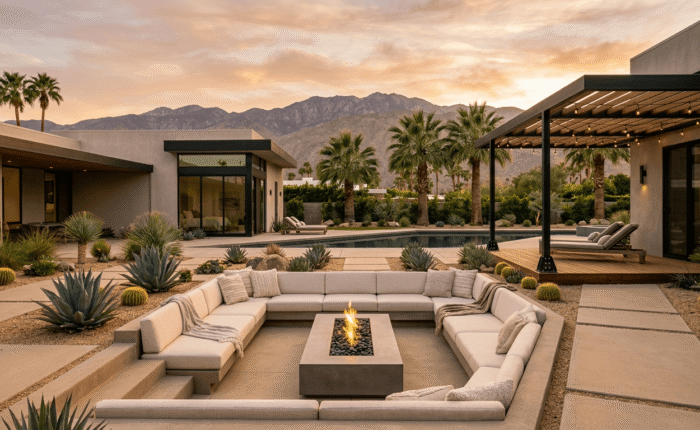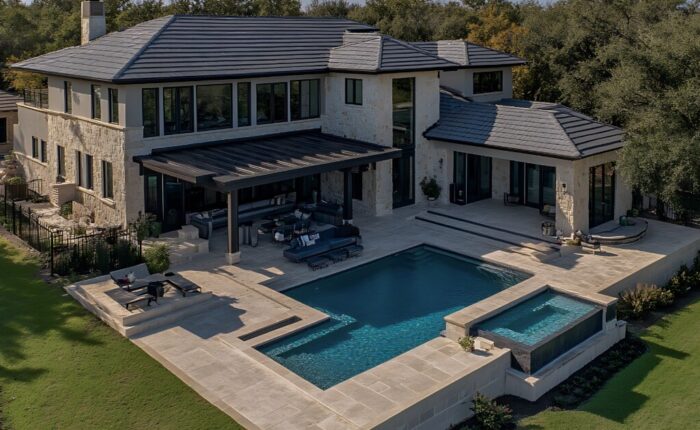
If you’re a homeowner wondering whether that front yard refresh or new patio is worth the spend, the short answer is yes. Landscaping increases home value consistently, and the data heading into 2026 makes the case stronger than ever. Here’s what you need to know to make smart decisions about your yard, your investment, and your future home sale.
Key Takeaways
- Quality landscaping can add 15% to 20% to home value, with typical suburban homes seeing gains of 10%–20% when moving from average to excellent outdoor spaces.
- Well-maintained lawns deliver up to 217% ROI at sale, making basic lawn care one of the highest-returning home improvements available.
- Curb appeal during the first 10 seconds of viewing a listing photo or pulling into a driveway can be a deciding factor for potential buyers.
- Thoughtful landscaping with native plants, shade trees, and low-maintenance designs attracts eco-conscious buyers while keeping water and maintenance costs down.
- At Harmony Landscape Design, we focus on phased, right-sized landscaping projects that fit your home, your neighborhood, and your likely timeline for sale.
- Does Landscaping Really Increase Home Value?
- Why Curb Appeal Matters So Much at Sale Time?
- How Landscaping Affects Your Home’s Value Over Time
- Landscaping Projects That Add the Most Value
- Features and Landscaping Mistakes That Can Hurt Value
- Native Plants, Sustainability, and Long-Term Value
- DIY vs. Professional Landscaping: What Really Adds Value?
- Planning Landscaping Projects Around a Future Home Sale
- Working With Harmony Landscape Design to Add Value to Your Home
- FAQ
Does Landscaping Really Increase Home Value?
In 2026, the data is clear. Research from the American Society of Landscape Architects and the national association of Realtors shows that professional landscaping can raise a home’s value by roughly 15% to 20% when executed well. Upgrading landscaping from average to excellent can increase value by 10% to 12%, and expertly designed landscapes can yield a 6-7% higher sale price compared to comparable homes with minimal outdoor investment.
What Does That Look Like in Practice?
A $500,000 home could gain $50,000–$75,000 in perceived home value after a coordinated landscape upgrade covering lawn care, front beds, lighting, and a modest paver patio. Even smaller, targeted landscaping projects—a mulch refresh, pruning overgrown shrubs, clean edging—can meaningfully improve curb appeal and make your listing stand out online.
Landscaping matters for both daily enjoyment and long-term resale value. At Harmony Landscape Design, we treat every yard as an investment in the home’s value, not just decoration.
Why Curb Appeal Matters So Much at Sale Time?
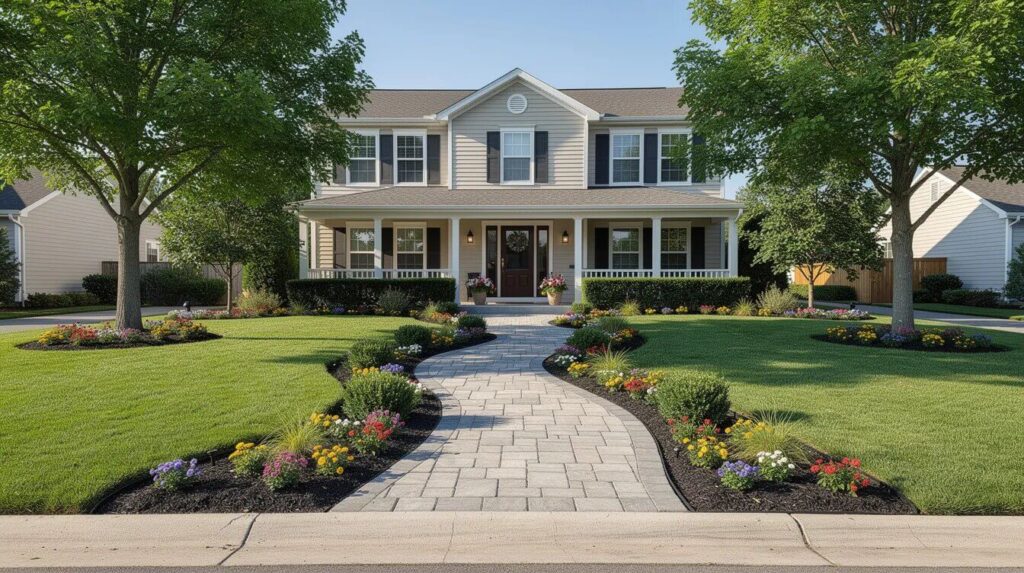
Buyers in 2026 typically see your home’s curb appeal before they ever step inside. Most first encounters happen on Zillow or Redfin, and first impressions are formed within ten seconds of seeing a home. That initial reaction anchors price expectations. Thorough first impressions lead to increased attractiveness to potential buyers, meaning your front yard and entry directly shape what someone is willing to offer.
The numbers back this up:
- 97% of real estate agents believe curb appeal attracts buyers.
- Over 90% of agents recommend improving landscaping before listing a property.
- Homes with strong visual appeal tend to sell faster and attract more competitive offers.
Simple front yard improvements—a neat lawn, defined edges, healthy plants in clean flower beds, a freshly swept walkway—signal that the entire house has been well maintained. On the flip side, neglected elements like weeds, dead shrubs, drainage issues, and overgrown bushes blocking windows raise red flags about hidden maintenance problems inside.
Picture a home with overgrown foundation shrubs covering the windows, cracked walkway, faded mulch. Now imagine it after a cleanup—trimmed shrubs, fresh mulch, defined garden beds, a lit path to the front door. The listing photos transform. That big difference in a home’s curb appeal can mean the gap between sitting on the market and selling above asking.
How Landscaping Affects Your Home’s Value Over Time
Landscaping increases home value twice: once in daily comfort—shade, privacy, usable living space for entertaining—and again at resale through improved property’s appeal and outdoor features.
Here are the ROI benchmarks heading into 2026:
| Project Type | Typical ROI |
| Lawn care and weed control | ~217% |
| General landscape maintenance | ~104% |
| A full landscape redesign | Recovers its cost dollar-for-dollar |
| Outdoor kitchens and paver patios | 90%–100% |
| Mature trees (10+ years) | 10%–15% added property value |
Quality landscaping can add 15% to 20% to home value over time, especially when plants mature and hardscape elements age gracefully. Landscaping preferences vary regionally based on climate and local environment, so what works in one area may not add value in another. Buyers generally look for four-season interest, shade trees, and well-maintained landscaping that won’t demand excessive weekend labor.
Smart upgrades like automated irrigation, landscape lighting, and native plantings make the yard easier to maintain, which modern buyers value. A townhouse with a small paver patio and pathway lighting sold quickly above asking because buyers could immediately see usable outdoor space rather than a neglected backyard.
Landscaping Projects That Add the Most Value
At Harmony Landscape Design, we help clients prioritize projects that add value and suit how they actually live in their outdoor space. Below are the categories that consistently deliver the strongest returns in many markets, with cost ranges and ROI for 2026.
Well-Maintained Lawn and Basic Care
A well maintained lawn consistently offers the highest ROI of any landscaping project. A well-maintained lawn has a 217% return on investment, meaning every dollar you spend on lawn care comes back more than doubled at resale. Regular lawn care can yield a high return on investment even with modest effort. Routine maintenance like mowing and weeding yields significant returns at resale.
- Routine lawn care costs between $218 to $871 per application depending on lot size and service level.
- Annual spend on fertilization, weed control, overseeding, and edging can add significant perceived value.
- Soil testing, aeration, and dethatching improve turf color and density quickly.
Focus on turf health before major redesigns, especially if a home sale is likely within 1–3 years. Healthy grass in listing photos does more work than most homeowners realize.
General Landscape Upkeep and Refresh
Ongoing landscape maintenance returns slightly more than its cost at 104% ROI, making regular upkeep a reliable way to protect your investment. A spring cleanup—bed edging, fresh mulch, pruning, reshaping planting beds—delivers strong visual appeal in listing photos.
Replacing outdated foundation shrubs with compact evergreens and new plants transforms a tired front facade for a modest cost. We often phases these refreshes over several seasons so homeowners can spread the spend while steadily improving their property values.
Outdoor Kitchen and Outdoor Living Spaces
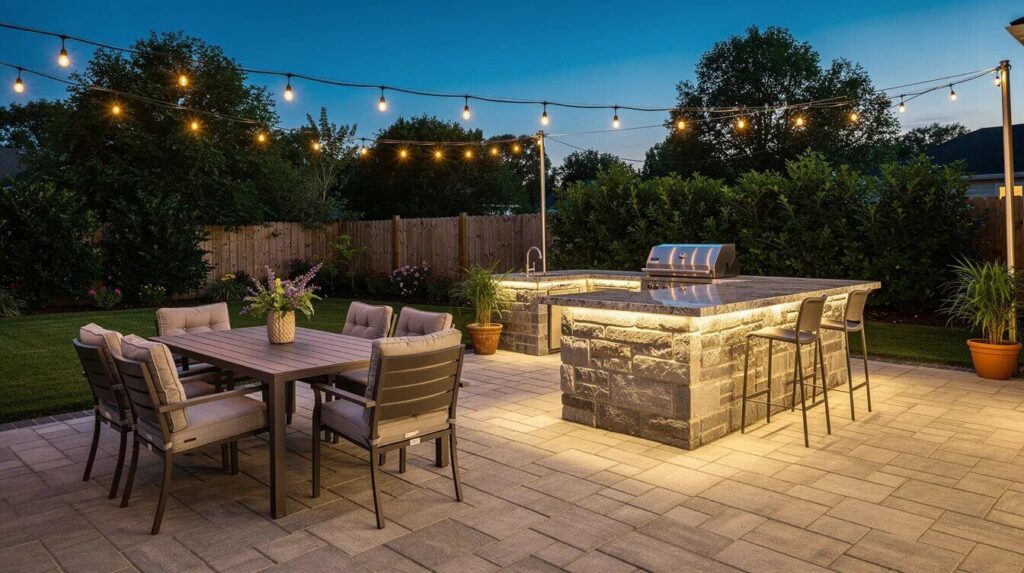
Outdoor kitchens are high-desire features in 2026, and outdoor kitchens can recoup 55% to 200% of their cost depending on scope and market. When reasonably scaled, outdoor kitchens recover 100% of their investment costs. Installing outdoor living areas can increase property value by 10% to 15%.
- A $12,000–$20,000 outdoor kitchen with an inset grill, counter space, and storage on a paver patio can help a home sell higher than comparable homes without one.
- Harmony Landscape Design uses durable materials that handle local climate conditions.
- Consider adding an outdoor fireplace or fire pit for year-round appeal, but keep the design proportional to your neighborhood.
Over-the-top features (pizza ovens, elaborate bars) may not add value in every community. Match the design to what buyers in your area expect.
Paver Patio and Deck Additions
A new patio is one of the most reliable ways to add value. A new paver patio has a 95% ROI, and functional hardscaping creates outdoor living spaces and recovers installation costs at resale.
- A 14×18-foot paver patio in 2026 typically costs $8,000–$15,000 depending on materials and site conditions.
- Buyers see it as a true extension of usable living space—outdoor dining, entertaining, relaxation.
- Wooden decks recoup roughly 80%–90% of costs; composite decks cost more but require less maintenance.
Our designers frequently integrates patios with seat walls, fire features, or small outdoor kitchens to maximize perceived value.
Staging tip: an outdoor dining set with string lights makes a new patio photograph beautifully for listings.
Tree Selection, Placement, and Care
Professional tree care can increase home value by up to 15%, and mature trees increase perceived property value by providing shade and privacy. Planting trees is one of the few landscaping projects where value grows with time.
- Native species suited to your region handle local weather and support wildlife.
- A large tree planted too close to a foundation or driveway can reduce value due to root damage—proper placement matters.
- Periodic professional pruning every 2–4 years protects the investment and improves safety.
At Harmony Design, we evaluate existing mature trees before adding new ones, balancing beauty, energy savings, and long-term property protection. Mature landscaping with healthy, well-placed trees is one of the strongest signals of a well maintained property.
Automated Irrigation and Low-Maintenance Design
Automated irrigation systems recover 83% of their installation cost at resale, and they make maintaining a lush lawn and healthy plants far easier.
- Irrigation system installation for a typical suburban lot runs $4,000–$8,000 in 2026 depending on zones and smart controls.
- Pairing irrigation with drought tolerant and native plantings reduces water usage significantly.
- Smart controllers, drip irrigation in garden beds, and rain sensors keep systems efficient.
This is a medium-to-long-term investment—best installed 2+ years before selling rather than as a last-minute add.
Outdoor Lighting and Security-Conscious Landscaping
Tasteful low-voltage LED landscape lighting enhances nighttime curb appeal and improves safety on steps and walkways. While direct ROI hovers around 50%–60%, lighting helps homes photograph and show better, contributing to higher offers and faster sales.
Strategic plant placement—thorny shrubs beneath first-floor windows, open sightlines near the front door—improves security and appeals to safety-conscious buyers. We integrates lighting with planting plans so fixtures highlight architectural features, specimen trees, and outdoor living areas.
Features and Landscaping Mistakes That Can Hurt Value
Not every landscaping project adds value. Some actually limit buyer interest.
Common value-reducing mistakes include:
- Overgrown shrubs covering windows or hiding architectural details
- Poorly executed DIY projects—cracked concrete, unstable retaining walls, unpermitted decks
- In-ground pools in cold-climate markets (often recovering only ~56% of cost)
- Oversized koi ponds, excessive artificial turf, or eclectic themed gardens that narrow the buyer pool
- Too much hardscape that eliminates usable yard space for families
Buyers want low-maintenance home landscapes. Anything that looks like a weekend burden, or feels overwhelming to inherit, can shrink offers. Our company evaluates existing landscaping, suggests removals or simplifications, and designs updates that restore balance before a home sale.
Native Plants, Sustainability, and Long-Term Value
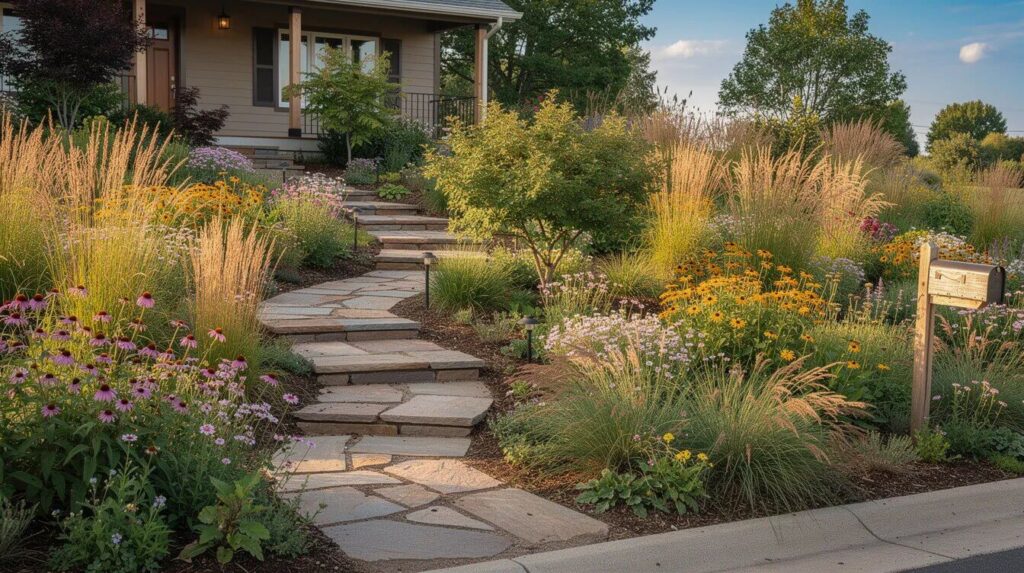
Since around 2020, native plants have become a genuine selling point. By 2026, many buyers actively ask about sustainable, pollinator-friendly yards. Using native plants lowers maintenance costs and enhances ecological value, while sustainable landscaping options appeal to eco-conscious buyers.
Plants adapted to your region need less water, fertilizer, and pest control once established. Incorporating drought-resistant plants requires less water and maintenance, reducing the long-term cost of ownership.
Concrete example: replacing a struggling front lawn strip with native grasses and perennials increases curb appeal while lowering irrigation needs—and impresses eco-focused buyers who see intention rather than neglect.
DIY vs. Professional Landscaping: What Really Adds Value?
Some landscaping projects make great DIY projects—planting annuals by the front door, refreshing mulch, container gardens, basic bed edging. These quick wins add curb appeal before listing at minimal cost.
But large hardscape work, unpermitted decks, or poorly installed fire pit areas can reduce a buyer’s confidence and trigger inspection issues during a home sale. Landscape contractors and landscape professionals bring code knowledge, proper grading, and warranties that buyers trust.
Harmony Landscape Design collaborates with homeowners who want to handle part of the work themselves. We provide the design, plant lists, and phasing plan while landscape architects and pros tackle structural elements. The deciding factor? Budget, timeline to sell, local code requirements, and the homeowner’s comfort with long-term durability.
Planning Landscaping Projects Around a Future Home Sale
Timing matters. Projects installed 2–5 years before a planned home sale deliver better value than last-minute work. New plants need time to establish, and mature landscaping photographs far better than freshly installed shrubs and trees.
A phased approach works well:
| Timeline | Focus |
| Years 1–2 | Major structure: paver patio, grading, tree planting |
| Years 2–3 | Layering shrubs, perennials, irrigation |
| Pre-sale year | Refresh: mulch, edging, lawn treatments, lighting |
Upgrading landscaping from average to excellent can increase value by 10% to 12%, but over-improving beyond neighborhood standards rarely pays off. Any plan should consider comparable homes’ outdoor features and realistic price ceilings. Well-maintained lawns deliver up to 217% ROI at sale, so even basic care in the final year makes a measurable difference.
Consult with us early, ideally several years before selling, to shape a landscape you enjoy now that will add value later.
Working With Harmony Landscape Design to Add Value to Your Home
Harmony Landscape Design is a landscape design firm focused on creating outdoor spaces that balance aesthetics, function, and return on investment. Quality landscaping can add 15% to 20% to home value, and our process is built to capture that potential.
Our typical engagement includes an on-site consultation, evaluation of existing landscaping, discussion of your target sale timeline, a concept plan, and a final phased design that fits your budget. We prioritize native plants, durable materials for outdoor kitchens and paver patios, and layouts that improve curb appeal from the street and in listing photos.
We coordinate with local landscape contractors for installation, ensuring the design is built correctly, to code, and with resale value in mind. If you’re considering selling within the next 2–7 years, reach out for a design consultation so your landscaping actively works for your property and your future.
FAQ
How Far in Advance Should I Improve My Landscaping Before Selling?
Ideally, homeowners should start planning 2–3 years before a home sale so new trees, shrubs, and perennials have time to fill in and look established. That said, even a 4–6 week spruce-up with fresh mulch, pruning, and clean edging can meaningfully improve a home’s curb appeal right before listing. The earlier you start, the more mature and natural your yard will look in listing photos.
What Is the Minimum I Should Spend on Landscaping Before a Home Sale?
For many homes, investing $500–$2,000 in lawn care, bed cleanup, and mulch can pay for itself in higher offers. Larger budgets of $10,000–$25,000 make sense when adding a paver patio or outdoor kitchen in a higher price neighborhood. Our company can help you avoid overspending by matching the landscape upgrade to your neighborhood and price range.
Can Small Urban or Townhouse Yards Still Add Noticeable Value?
Absolutely. Compact spaces can add strong value with efficient designs—a small paver patio, vertical planting, containers with native plants, and attractive privacy screens. These details often make a listing stand out online where buyers are comparing dozens of similar properties in minutes.
Which Native Plants Work Best for Low-Maintenance Yards?
Reliable choices depend on your region but generally include native wildflowers, ornamental grasses, and shrubs that handle local weather and support wildlife. Harmony Landscape Design tailors plant lists to each property’s light, soil, and style so the landscape looks intentional at resale.
How Often Should I Update or Refresh My Landscaping If I Plan to Stay Long Term?
Handle basic maintenance every season, refresh mulch annually, and consider a more significant update every 7–10 years. This keeps your style current, your plants healthy, and your yard competitive with newer listings when you eventually decide to sell. Consistent care is what separates a property that commands a higher price from one that sits on the market.
What Landscaping Adds the Most Value?
The landscaping projects that consistently add the most value include a well-maintained lawn, general landscape upkeep like pruning and mulching, outdoor kitchens, paver patios, and mature tree care. These improvements not only enhance curb appeal but also provide strong returns on investment, often recovering their costs or more at resale. Thoughtful additions like automated irrigation systems and tasteful outdoor lighting also contribute to long-term value by reducing maintenance and improving safety. Prioritizing these projects can maximize both enjoyment and resale price.
Written by: Shir Amram

Shir Amram is the Founder and Lead Landscape Designer at Harmony Landscape Design. She specializes in modern landscape design, 3D outdoor renderings, planting plans, and full-property planning for homeowners nationwide. Her design process helps clients visualize their outdoor space before construction begins, creating clarity and confidence in every project.